
Endocrine-Disrupting Chemicals: An Overview

What Are Endocrine-Disrupting Chemicals?
Endocrine-disrupting chemicals (EDCs) are natural or synthetic substances that interfere with the body's finely tuned hormone systems, which regulate everything from growth and metabolism to reproduction and brain development. These chemicals can alter hormone levels, block natural hormones from binding to their receptors, or mimic hormones entirely, leading to a cascade of health problems. They are widespread in consumer products and the environment, and their effects can be long-lasting, especially when exposure occurs during sensitive stages of development.
Where EDCs Come From?
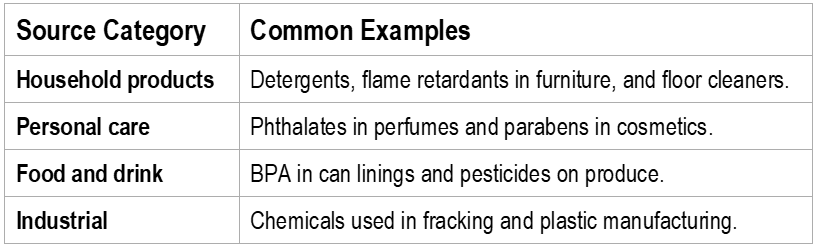
EDCs are ubiquitous in modern life. They are found in plastics, pesticides, flame retardants, food packaging, personal care products, and cleaning supplies. Many of these chemicals trace their origins to petroleum-based manufacturing processes. Even seemingly innocuous items, such as, receipt paper, non-stick cookware, and fragranced products can contain EDCs.
What are Sources and Pathways of Exposure?
EDCs have integrated into almost every facet of modern life:
EDCs enter the body through:
- Food and water (packaging, contamination)
- Air and dust (indoor environments, industrial emissions)
- Skin contact (personal care products, household chemicals)
- Hand-to-mouth behaviour (especially in children)
Studies show that EDCs are detectable in nearly all people tested worldwide, including in blood, urine, breast milk, and even umbilical cord samples.
What are the Health Impacts?
The health consequences of EDC exposure are wide-ranging and serious. Research has linked these chemicals to a wide range of conditions:
- Reproductive issues (infertility, early puberty, endometriosis)
- Hormone-related cancers (breast, prostate, thyroid)
- Thyroid dysfunction
- Neurological and developmental disorders (ADHD, reduced IQ, neurodegenerative diseases)
- Metabolic disorders (obesity, diabetes)
- Immune and respiratory conditions (asthma, immune dysfunction)
What makes EDCs particularly concerning is that even tiny amounts, sometimes measured in parts per trillion, can trigger biological effects, especially during critical developmental windows.
Who is Most Vulnerable?
While EDCs are found in nearly every human tested globally, certain groups face higher risks:
- Windows of Development: Foetuses, infants, and adolescents are most at risk because their bodies are rapidly changing. Exposure during pregnancy can affect not just the child but potentially future generations through epigenetic changes.
- Environmental Injustice: Low-income communities often face disproportionately higher exposure due to proximity to industrial sites and limited access to safer alternatives. For example, studies have found that African American women often have higher urinary concentrations of certain phthalates and parabens, likely due to the marketing of specific hair and personal care products containing these chemicals.
- Physical Proximity: Young children are highly exposed because they crawl on floors where chemical-laden dust settles and frequently engage in hand-to-mouth behaviour.
Key Takeaway
EDCs highlight the paradox of modern chemistry: substances that make products durable, flexible, or convenient can also disrupt the body’s most delicate systems. Understanding their sources, pathways, and impacts is essential for protecting both human health and ecosystems.
The Challenge Ahead
EDCs present unique scientific and regulatory challenges. Their effects may not appear until years or even decades after exposure, making it difficult to establish clear cause-and-effect relationships. Additionally, we are exposed to complex mixtures of these chemicals daily, and their combined effects remain poorly understood. Reducing exposure requires both individual action and systemic changes to chemical safety policies.
Awareness is the first step toward protecting health from these pervasive hormone disruptors!