
Endocrine Disrupting Chemicals: Hormone Hijackers Hidden in Plain Site

The Hidden Hormone Hijackers in Your Everyday Life
Imagine a world where microscopic chemicals quietly manipulate your body’s internal messaging system, altering growth, fertility, mood, and metabolism without your consent.
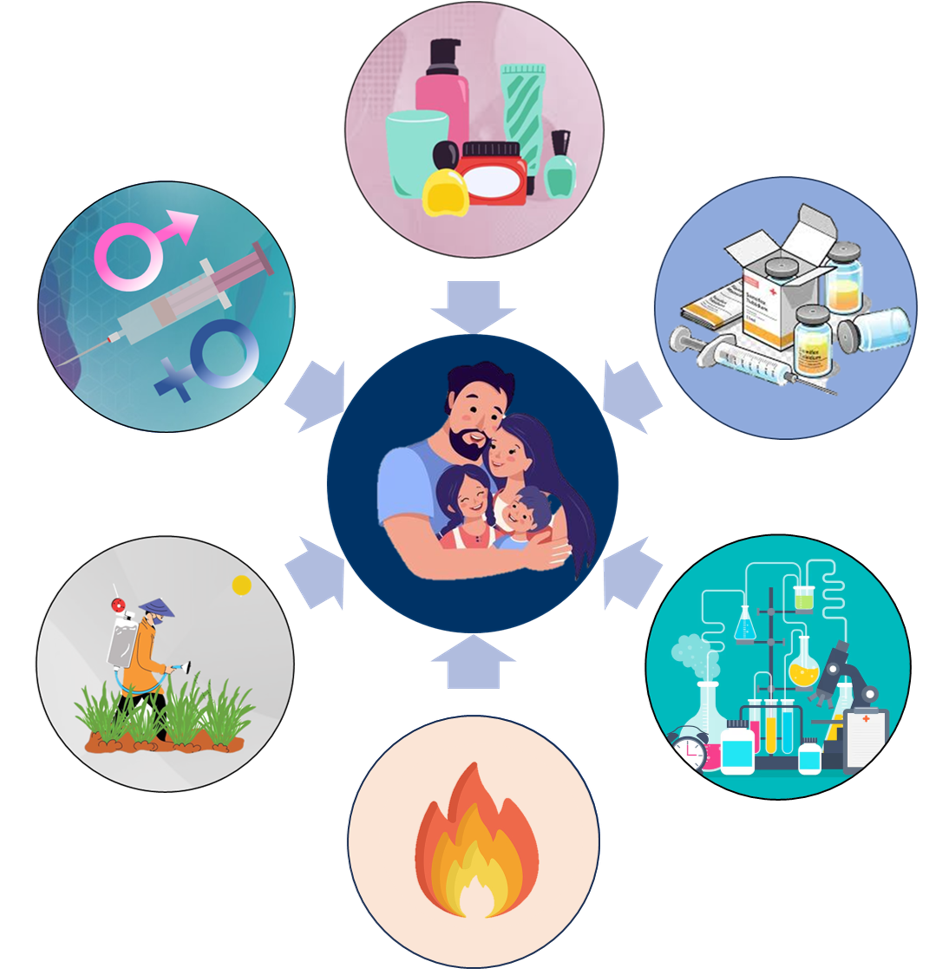
Welcome to the unsettling reality of endocrine disruptors, also known as endocrine-disrupting chemicals (EDCs). These stealthy agents are everywhere: in your shampoo, your food packaging, your furniture, and even your drinking water. And they are not just passive passengers; they are active saboteurs of your health.
The Endocrine System: Your Body’s Command Centre
Before we dive into the disruptors, let us understand the system they target. The endocrine system is a network of glands, including the thyroid, pituitary, adrenal, and reproductive organs, that produce and release hormones into the bloodstream. These hormones act as chemical signals, coordinating vital functions on the body.
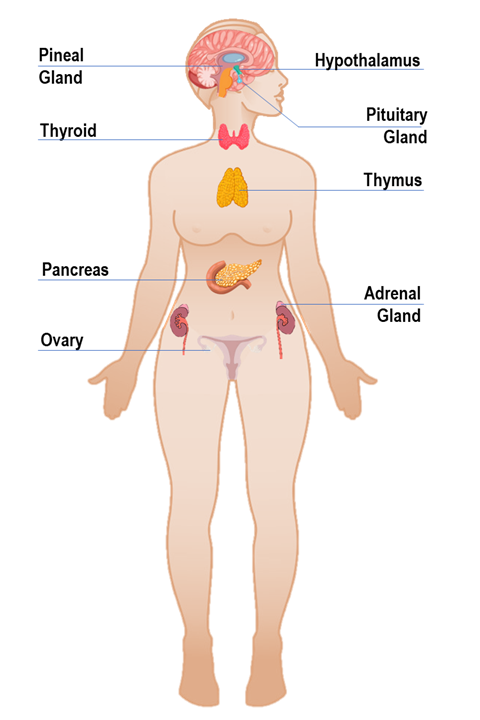
These hormonal chemical messengers regulate:
- Growth and development
• Metabolism and energy balance
• Mood and stress response
• Sexual function and reproduction
• Immune system activity
Think of hormones as finely tuned instructions sent to specific cells, orchestrating complex physiological processes. When this system is disrupted, by toxins, disease, or stress, the consequences ripple across multiple organs, impairing health, behaviour, and homeostasis.
What Are Endocrine Disruptors?
Endocrine disruptors are synthetic or natural substances that interfere with hormone production, release, transport, or action.
They can:
• Mimic hormones, tricking the body into responding as if the real hormone were present
• Block hormone receptors, preventing natural hormones from binding
• Alter hormone levels, by stimulating or suppressing gland activity
These disruptions can lead to serious health issues, especially during critical windows of development like foetal growth, puberty, and pregnancy. Because hormones regulate nearly every physiological system, even subtle interference can cascade into long-term consequences, affecting metabolism, immunity, neurological function, and reproductive health.
Common Endocrine Disruptors and Where They Hide
Here are some notorious EDCs and their everyday sources:
Chemical | Found In | Known Effects |
BPA (Bisphenol A) | Plastic bottles, food cans, receipts | Reproductive issues, obesity, cancer |
Phthalates | Fragrances, cosmetics, vinyl flooring | Hormone imbalance, fertility problems |
PFAS (“Forever Chemicals”) | Non-stick cookware, waterproof clothing | Thyroid disruption, immune suppression |
Atrazine | Herbicides used in agriculture | Reproductive harm, developmental delays |
Dioxins | Industrial waste, meat and dairy products | Immune dysfunction, cancer risk |
Parabens | Personal care products | Oestrogen mimicry, breast cancer concerns |
Vulnerable Populations: Why Timing Matters
EDCs are especially dangerous during developmental windows. Foetuses, infants, and children are more susceptible because their endocrine systems are still forming. Exposure during these periods can lead to:
- Birth defects
- Neurodevelopmental disorders
- Early puberty
- Long-term reproductive issues
Even low doses can have outsized effects, making regulation and avoidance critical. These early-life disruptions may not manifest immediately but can programme long-term vulnerabilities, increasing the risk of chronic diseases, hormonal imbalances, and fertility challenges later in life.
Global Impact: A Public Health Concern
The World Health Organization and United Nations have flagged endocrine disruptors as a global health threat.
Studies link EDCs to:
- Infertility and declining sperm counts
- Hormone-related cancers (breast, prostate, testicular)
- Metabolic disorders like diabetes and obesity
- Thyroid dysfunction
- Behavioural and cognitive issues in children
The economic burden is staggering:
Billions are spent annually on healthcare costs related to EDC exposure. Beyond financial strain, these disruptions compromise public health systems, reduce quality of life, and contribute to intergenerational cycles of disease and developmental vulnerability.
How to Minimise Exposure
While complete avoidance is nearly impossible, you can reduce your risk with smart choices:
- Choose glass or stainless steel over plastic containers
- Avoid microwaving food in plastic
- Read labels: Look for “paraben-free” and “phthalate-free” products
- Filter your drinking water
- Buy organic to reduce pesticide exposure
- Ventilate your home to reduce indoor chemical build-up
- Limit canned foods and opt for fresh or frozen
The Science Is Evolving
Research into endocrine disruptors is ongoing. Scientists are exploring:
- Low-dose effects and cumulative exposure
- Transgenerational impacts; how EDCs affect future generations
- Biomonitoring to track exposure levels
- Safer chemical alternatives for consumer products
Public awareness and policy change are key to reducing exposure and protecting vulnerable populations.
Final Thoughts: Why You Should Care
Endocrine disruptors are not just a scientific curiosity, they are a pressing health issue. They challenge our assumptions about safety, regulation, and the invisible forces shaping our biology. By understanding what they are and where they lurk, you empower yourself to make informed choices and advocate for a cleaner, safer world.