
Phthalates: The Silent Health Saboteurs in Your Everyday Life
What Are Phthalates?
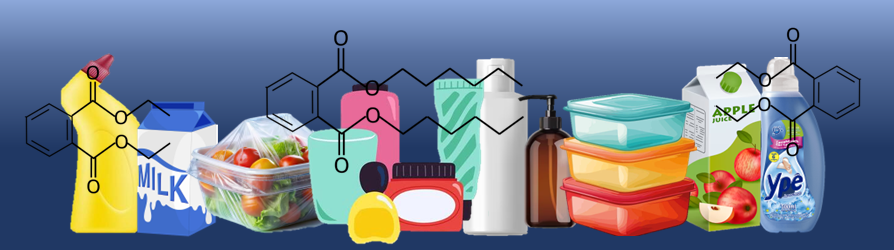
Phthalates are synthetic chemicals used as plasticizers. They are compounds that make plastics flexible and durable. You can find them in everything from food packaging and flooring to cosmetics, toys, and medical devices. Because they are not tightly bound to the products they are in, phthalates leach easily into air, dust, food, and even our bodies.
Why Phthalates Matter: The Endocrine Connection
While exposure doses may seem small, phthalates are endocrine-disrupting chemicals (EDCs). They interfere with the body’s hormone systems, which are the master regulators of growth, reproduction, metabolism, and brain development. When these signals are disrupted, the consequences ripple across multiple systems.
Systems impacted by phthalate exposure
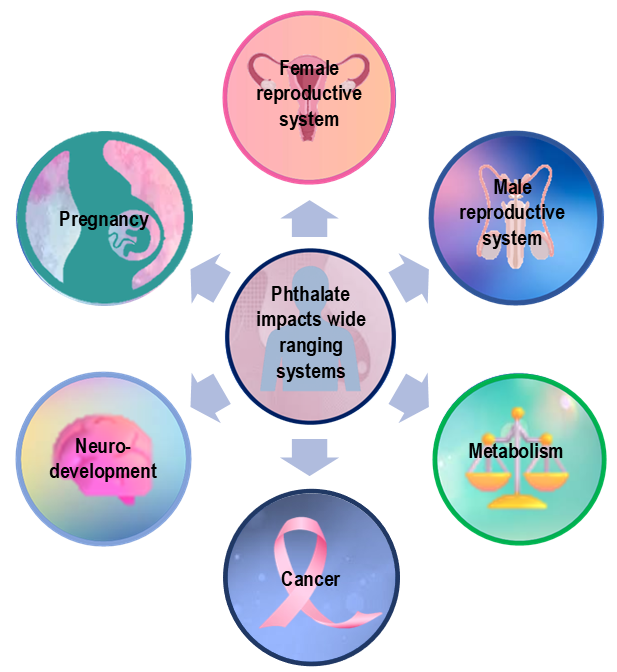
Phthalate exposure does not impact just one part of the body; rather, it creates a systemic ripple effect that interferes with multiple biological processes. By acting as endocrine disruptors, these chemicals can simultaneously alter reproductive health, metabolic stability, and neurological development. This figure illustrates how these "silent saboteurs" target various organ systems throughout the human body.
Summary of Health Risks by System
System | Key Risks | Mechanism |
Male Reproductive System | Reduced sperm count, phthalate syndrome | Anti-androgenic effects, testosterone disruption |
Female Reproductive System | Endometriosis, diminished ovarian reserve | Ovarian hormone disruption |
Pregnancy | Preterm birth, low birth weight | Placental transfer, inflammatory pathways |
Metabolism | Obesity, diabetes, metabolic syndrome | PPARγ activation, insulin resistance |
Neurodevelopment | Cognitive deficits, behavioural problems | Thyroid hormone disruption, oxidative stress |
Cancer | Breast, thyroid, possible lung | Estrogenic activity, DNA damage |
The Science of "Critical Windows
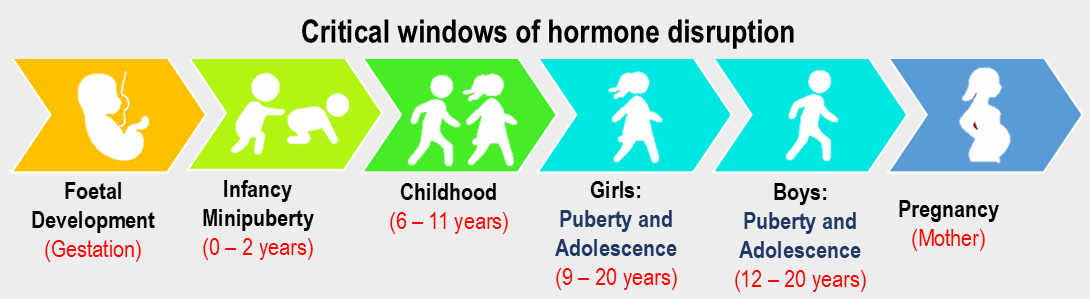
Understanding why certain populations are more at risk requires grasping developmental programming. This is the concept that environmental exposures during sensitive periods can permanently alter how the body regulates itself, predisposing an individual to disease decades later.
At key moments, hormones step in as the conductors, guiding organs, brains, and bodies into harmony. But when phthalates disrupt the score, the melody of growth can be thrown off, echoing consequences that last for decades. From conception to adolescence, the human journey unfolds through a series of critical windows, each one a fragile performance, where timing and precision matter most.
The story of phthalates and critical windows reminds us that development is not a continuous process but rather a series of sensitive periods when specific environmental cues, or disruptions, can have outsized and permanent effects.
Why This Matters
Phthalates are not rare industrial chemicals, they are everywhere. They are in the packaging of your lunch, the lotion on your skin, the dust in your home, and even the medical devices used in hospitals. Exposure begins before birth and continues throughout life.
The health risks are broad: reproductive dysfunction, pregnancy complications, obesity, diabetes, thyroid disruption, neurodevelopmental impairments, and even cancer.
What Can Be Done?
- Regulation: Stronger policies to limit phthalate use in consumer products.
- Safer alternatives: Development of phthalate‑free plastics and medical devices.
- Personal choices: Reduce use of plastics, choose phthalate‑free cosmetics, ventilate homes to reduce dust exposure.
- Awareness: Recognize that timing matters—protecting pregnant women, infants, and children is especially critical.
Conclusion
Phthalates are more than just chemicals in plastics, they are silent saboteurs of human health. By disrupting hormones, they interfere with the most fundamental processes of growth, reproduction, metabolism, and brain development.
The science is clear: exposure during critical windows can set the stage for lifelong health consequences. Protecting vulnerable populations and reducing phthalate exposure must be a public health priority.